A Different Flavor at Every Stop — A Korean Train Station Food Tour
목차
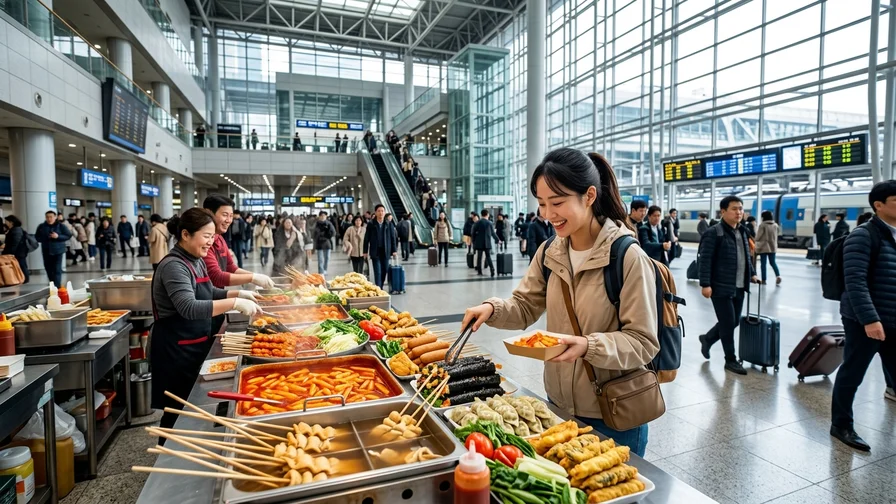
The thrill of a train trip begins with the walk toward the platform, the scenery beyond the window, and the smell of food drifting through the station. In Korea, train stations have become more than simple transit corridors; they are culinary gateways that offer your first impression of each region. This guide focuses on accurate, practical information about what foreign travelers can actually buy at the station, where, and how. Once you’ve got the big picture from the essentials of train travel in Korea, it’s time to open up the map of flavors you’ll encounter at the station.
Key Takeaways
- Regional flavors, right at the station: We focus on well-established in-station shops like Samjin Eomuk at Busan Station and Sungsimdang at Daejeon Station.
- No onboard carts: The KTX in-train snack carts were discontinued at the end of 2017. You either buy food at the station before boarding or reserve a meal box through the Korail Talk app to receive it at your seat.
- The most practical option: Reserving a train meal box through Korail Talk (around 5,000 to 10,000 won, delivered to your seat on the KTX) and the in-station convenience stores are the most realistic choices for foreign travelers.
How Korean Train Station Food Culture Has Changed
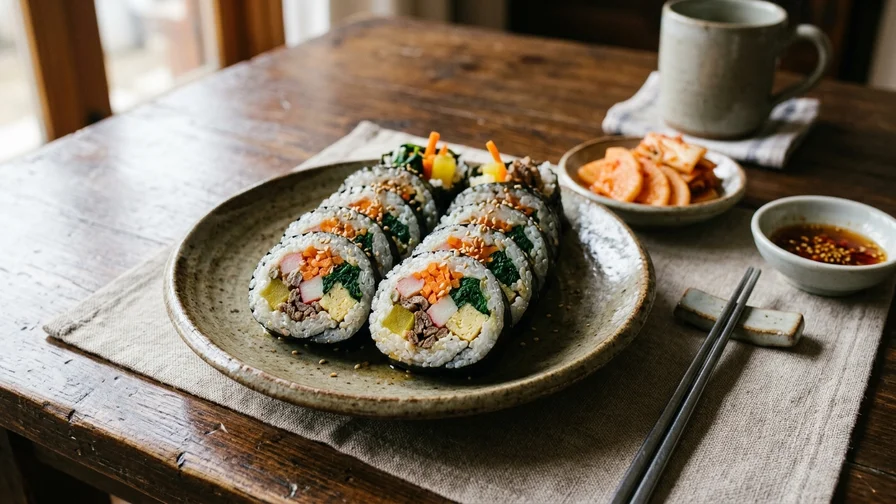
In the past, Korean train stations centered on quick, hunger-filling foods like garak-guksu noodles, boiled eggs, and gimbap. After the KTX opened and the whole country became a half-day living zone, the look of the stations changed too. Major stations today are closer to multipurpose spaces that bring together shops for regional specialties, convenience stores, and meal-box pickup counters. That said, unlike the romantic image, the shops inside each station change often, so the information below includes only what could be confirmed as of June 2026.
Signature Menus at Major Train Stations Across Korea
The charm of train travel in Korea lies in passing through cities with distinct characters, and each city’s first impression begins at its station. If you’d prefer a quieter, more local atmosphere, also take a look at the restaurants around Korea’s beautiful little stations.
Busan Station: Samjin Eomuk
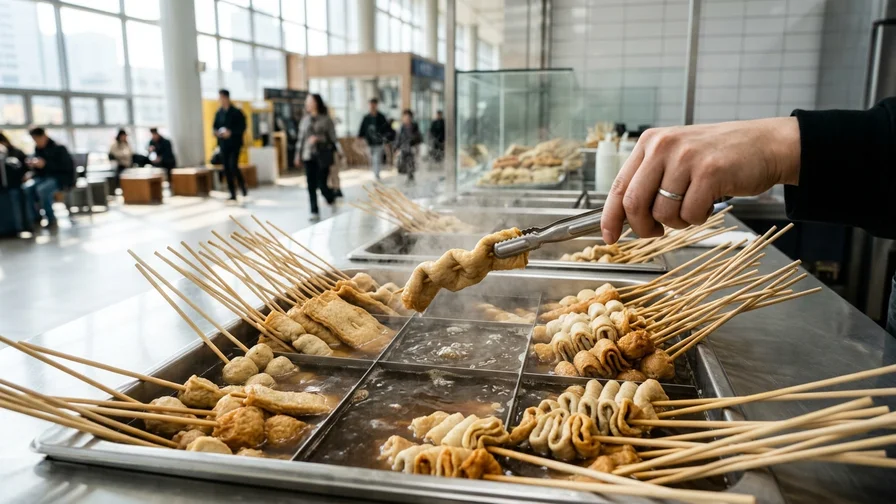
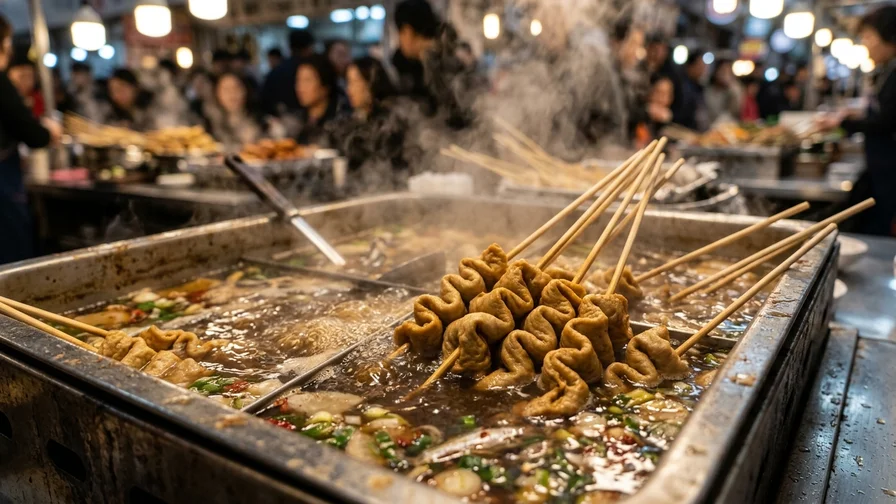
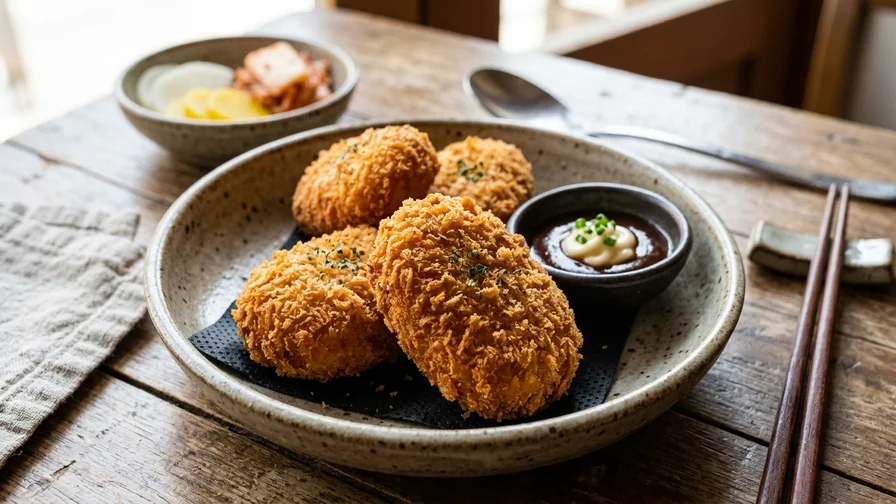
When you arrive at Busan Station, the gateway to the port city of Busan, the first specialty you’ll encounter is eomuk fish cake. On the first floor of the station, you’ll find Samjin Eomuk Busan Station Branch 📍, founded in 1953, where you can buy freshly fried eomuk and eomuk croquettes on the spot.
- Location: 1st floor of Korail Busan Station (206 Jungang-daero, Dong-gu, Busan)
- Hours: 07:00–22:00, open year-round (as of June 2026)
- Recommended: Fish cake croquettes (shrimp/cheese/potato) and the whole-shrimp fish cake bar, a bite-sized snack of fish cake batter stuffed with fillings and fried
- Handy tip: When you buy fish cake in-store, they give you a cup of warm fish-cake broth along with it. It’s a great way to warm up before boarding the train.
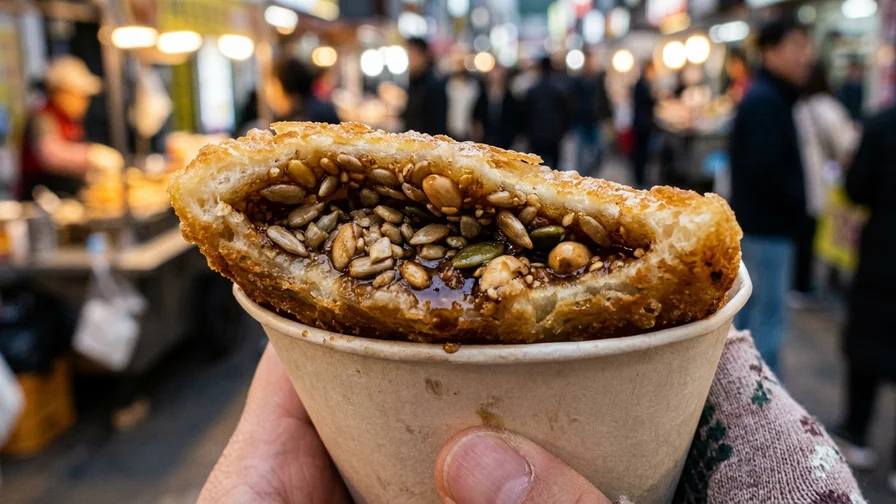
The sweet seed hotteok, a Busan-style griddle cake filled with nuts and seeds, is another Busan specialty, but there’s no permanent stand inside the station itself, so it’s best tried at the street stalls in Nampo-dong and Gukje Market.
Daejeon Station: Sungsimdang and Garak-guksu
Known as “the pride of Daejeon,” the bakery Sungsimdang Daejeon Station Branch 📍 is a must-visit for any traveler passing through Daejeon Station. Founded in 1956, Sungsimdang has earned nationwide fame far beyond Daejeon, and the second-floor branch in the station always has a long line.
- Location: 2nd floor of Daejeon Station (215 Jungang-ro, Dong-gu, Daejeon)
- Hours: 07:00–22:30, open year-round (as of June 2026)
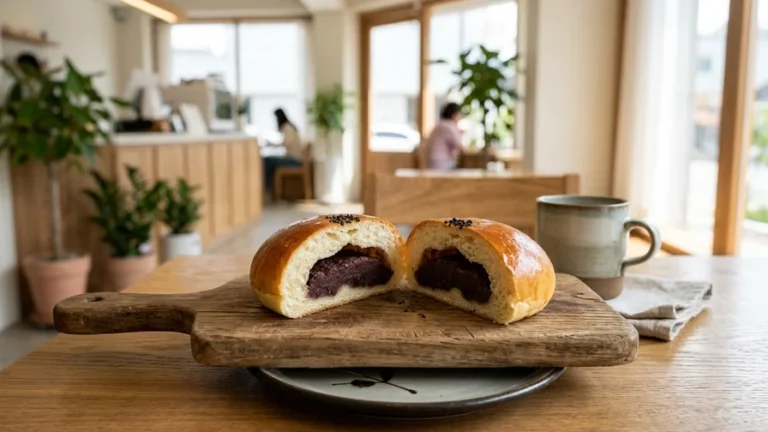
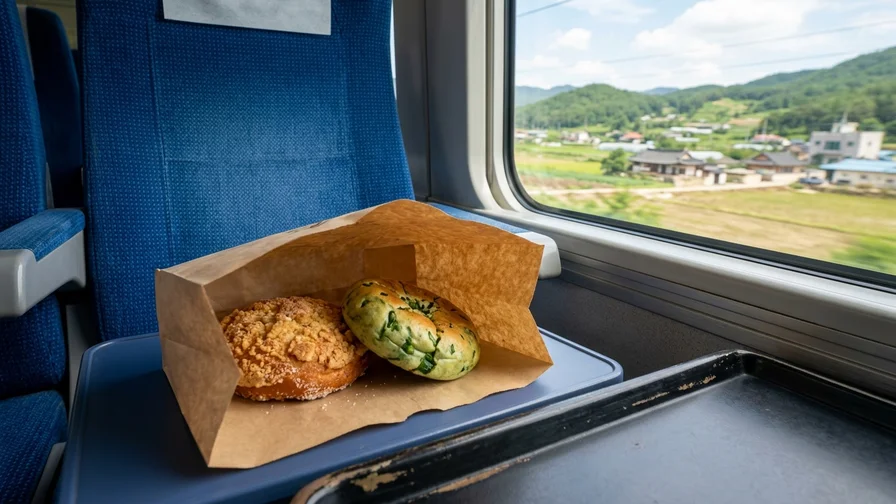
- Recommended: Twigim-soboro (a crispy streusel bun with red bean filling), Pantarong buchu-bbang (a bun filled with garlic chives, egg, and glass noodles), and Twiso-guma (sweet potato filling)
- Handy tip: The line gets very long on weekends and holidays, so arrive with plenty of time before your train. Twigim-soboro keeps its crunch even when cool, making it perfect to eat on the train.
Daejeon Station is also famous for its “nostalgic garak-guksu” noodles. The original was a platform snack stand between the old platforms 5 and 6, but it disappeared when the platforms were renovated. Today, the restaurant Daejeon Station Garak-guksu 📍 carries on that flavor near the second-floor waiting hall of Daejeon Station. Just remember that it’s now a restaurant inside the station rather than on the platform.
Editor’s tip
Beyond twigim-soboro and the chive bun, the Sungsimdang Daejeon Station branch also offers popular items like the myeongnan baguette (with seasoned pollock roe) and Bomunsan Meari. They put together nice gift sets too, so if you’re stuck on what souvenir to bring home, this is a great place to sort it out.
Jeonju: The Home of Bibimbap
Designated a UNESCO City of Gastronomy, Jeonju is the birthplace of bibimbap. Jeonju Station is built in the hanok (traditional Korean house) style, so the atmosphere feels different from the moment you arrive. That said, authentic Jeonju bibimbap is best enjoyed at the long-standing restaurants around the Hanok Village rather than inside the station, so if you have the time, it’s worth heading over to the village.
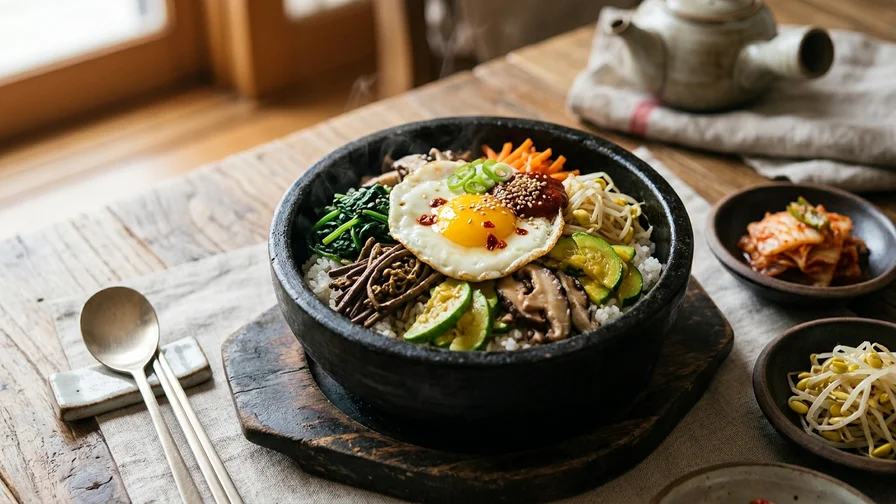
- Jeonju bibimbap: A local dish of rice mixed with assorted seasoned vegetables, sesame oil, and gochujang, distinguished by its five-color garnish
- To pair with: Moju, a sweet makgeolli with gentle notes of ginger and cinnamon. Its low alcohol content makes it easy to enjoy.
- Handy tip: Bibimbap tastes best when mixed and eaten right away while still warm. Moju is at its most flavorful when served cold.
How to Eat on the Train: Meal Boxes and Convenience Stores
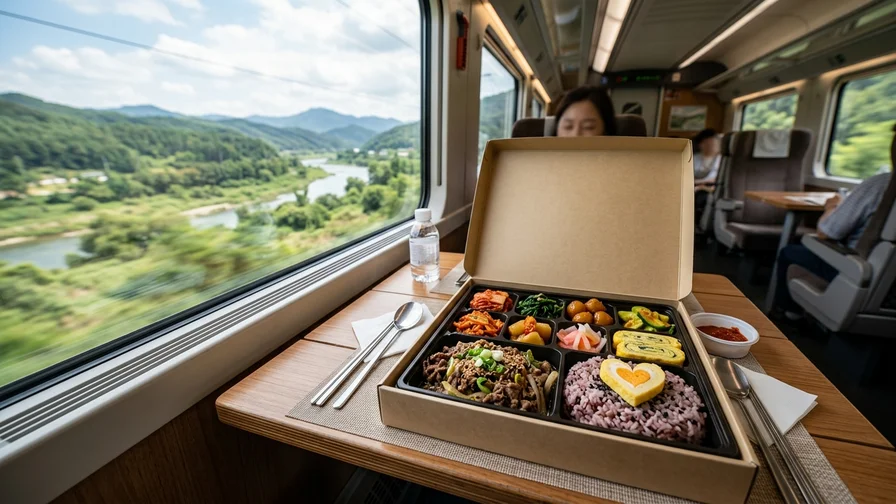
Eating while watching the scenery roll by is one of the joys of train travel. The one thing to be clear about is that the KTX onboard snack carts were discontinued at the end of 2017 and no longer exist. There are vending machines onboard, and for food you either buy it at the station before boarding or use the meal-box reservation service below.
Reserving a Train Meal Box on Korail Talk (Seat Delivery)
You can pre-order a train meal box through Korail’s official app, Korail Talk. On the KTX and KTX-Sancheon, an attendant delivers it to your seat, while on the Saemaeul and Mugunghwa trains you pick it up at the train café. This is the most reliable method for foreign travelers.
- Menu and prices (as of June 2026): Chicken-cheese rice bowl and bulgogi-cheese rice bowl around 5,000 won; sweet pumpkin tofu steak and sweet chicken around 7,500 won; cheonge-mae tteok-galbi and hamburger steak around 10,000 won
- Reservation: Until 18:00 the day before departure, via the Korail Talk app, by phone, or at a ticket counter. Korail membership is required (you can sign up in the app).
- Pickup: Seat delivery on the KTX/KTX-Sancheon; at the train café on the Saemaeul (car 2) and Mugunghwa (car 4). Cash and card accepted.
Regional Specialty Snacks and Drinks
If a full meal feels like too much, light regional snacks are a good choice. Here are items you’ll often see at stations and nearby shops.
- Regional snack staples like Gyeongju-bbang and chal-bori-bbang (barley bread) from Gyeongju, potato bread from Chuncheon, and coffee-bean bread from Gangneung
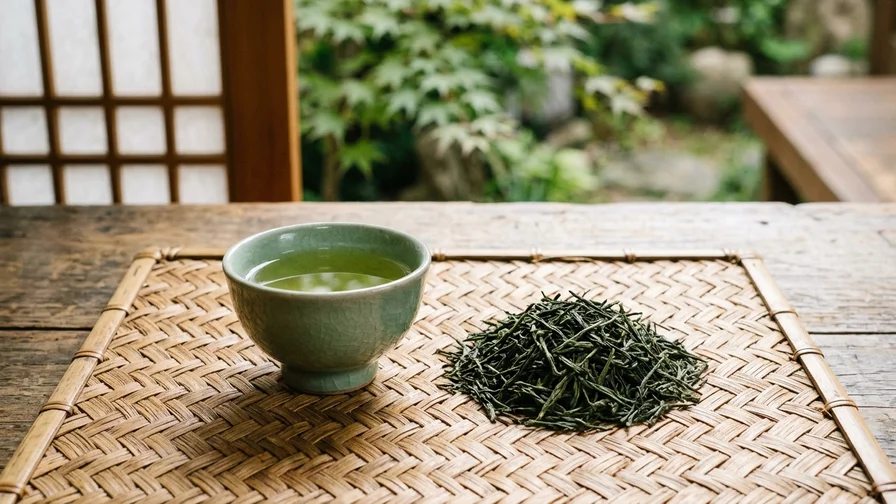
- Regional specialty drinks like Jeju mandarin juice and Boseong green tea
- Depending on the region, station shops or Storyway outlets may also carry local meal boxes (whether they’re always in stock varies by shop)

In-Station Convenience Stores: The Most Realistic Option
Convenience stores inside train stations (such as Storyway) are the cheapest and quickest choice for foreign travelers. You can buy triangle rice balls, gimbap, cup noodles, ready-made meals, and a variety of drinks for nearly 24 hours a day. The menus come with photos, so they’re easy to choose from even if you don’t read Korean.
What’s Inside a Train Station’s Retail Space
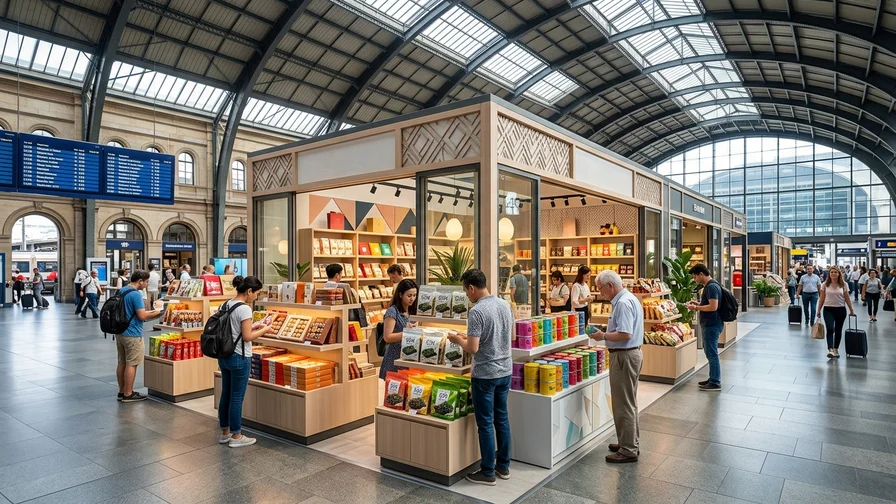
Today’s major train stations have evolved beyond transit hubs into multipurpose spaces filled with food and beverage shops. Since the tenant brands change frequently, however, it’s most accurate to check the on-site directory or the station information desk before your visit.
Restaurant Rows and Food Courts at Major Stations
Large KTX stations like Seoul Station, Yongsan Station, and Dongdaegu Station have restaurant rows and food courts where you can enjoy Korean meals, snacks, and cafés all in one place. The Seoul Station food court, for instance, brings together several shops offering bibimbap, ramen, cafés, and more. Whether a particular shop is present varies over time, though, so rather than assuming “this station has that shop,” it’s best to confirm on-site.
Regional Specialty Pop-ups and Souvenirs
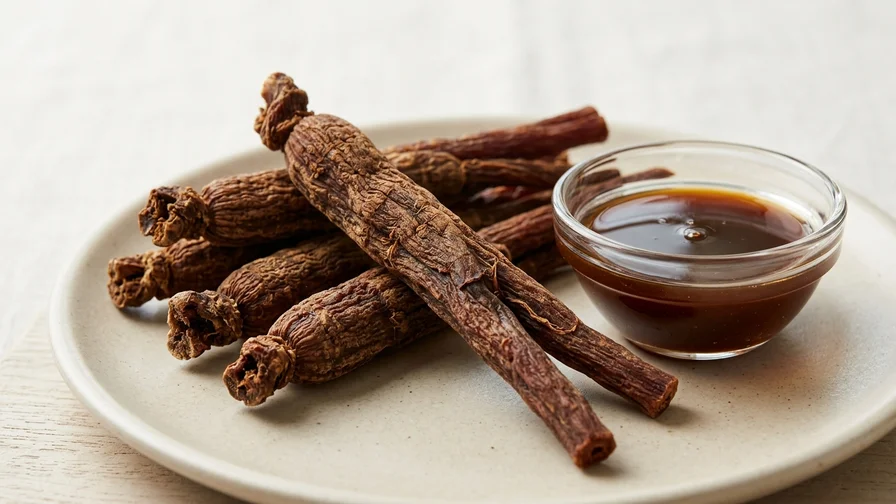
Vacant areas inside stations sometimes host regional specialty pop-ups in partnership with local governments. These events sell items like fresh fruit, traditional fermented pastes, and processed seafood shipped directly from the source, and they’re often available only for a limited time. The station you visit at the end of your trip is also a good place to pick up food souvenirs like dried seaweed, snacks, traditional teas, and red ginseng. You can find these products at the in-station shops (Storyway) operated by Korail Distribution and at their online mall.
In short, Korea’s train stations aren’t just spaces you pass through; they’re small culinary destinations in their own right. The onboard carts may be gone, but if you buy in advance at the station or reserve a meal box through Korail Talk, you can still enjoy a good meal on the train. If you’d like more Korea travel information, check out more on Come On Korea.